

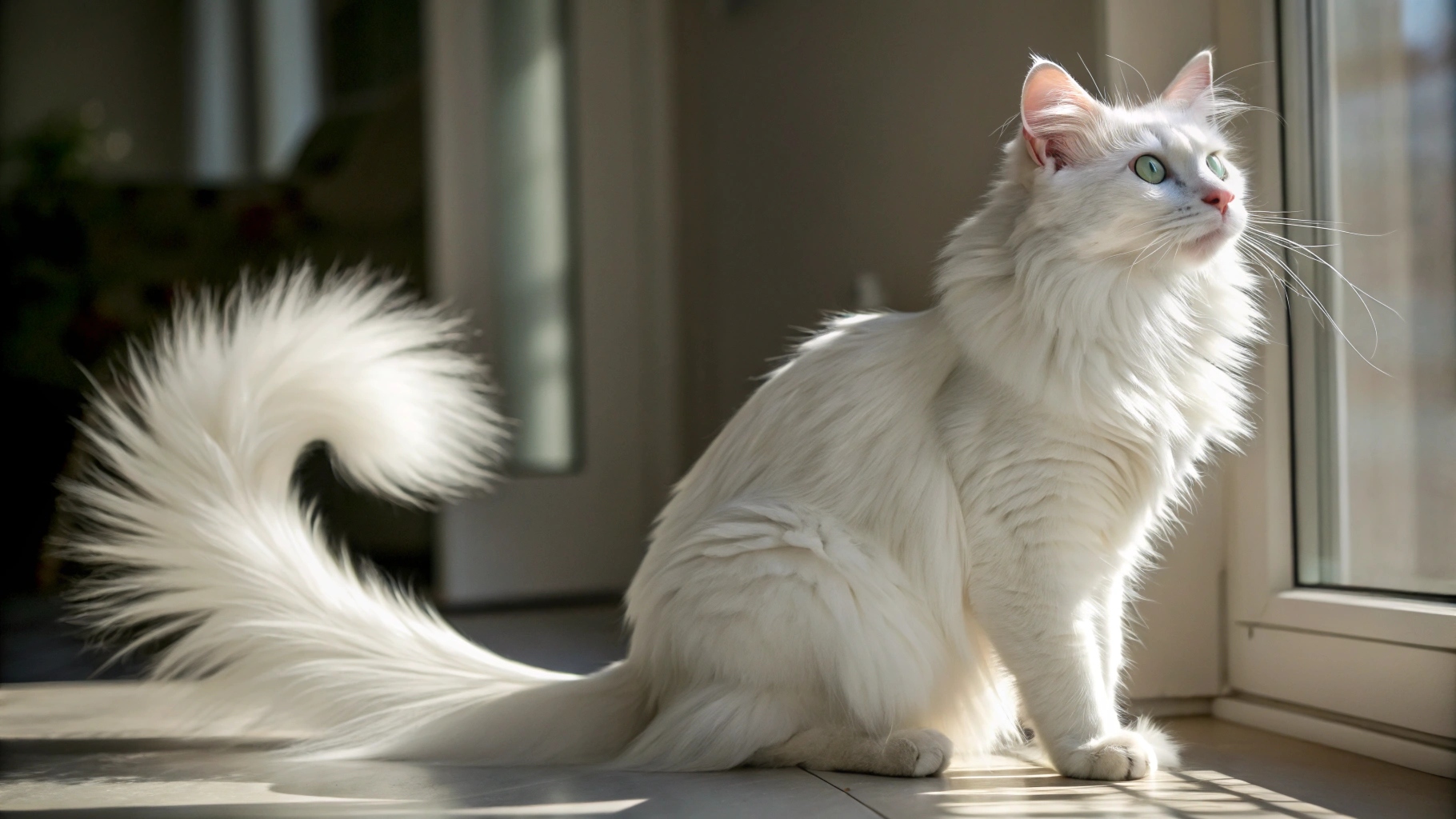

Few cat breeds embody elegance, charm, and intelligence like the Angora. Known for their flowing coats, almond-shaped eyes, and playful nature, these cats are symbols of grace and sophistication.
- The Origins and History of Angora Cats
- Roots in Ankara, Turkey
- Royal Connections and Cultural Significance
- Spread Across Europe and Modern Recognition
- Physical Features That Define Angora Cats Splendor
- Personality Traits and Intelligence
- Grooming and Care Essentials
- Health and Lifespan
- Family Suitability and Home Environment
- Comparing Angoras to Similar Breeds
- Adoption and Responsible Sourcing
- Tips to Preserve Angora Cats Splendor
- FAQs
- 1. What makes Angora cats so elegant?
- 2. Are Angoras easy to groom?
- 3. How social are Angora cats?
- 4. What diet is best for Angoras?
- 5. Are Angoras suitable for families?
- Conclusion
- Related posts:
Angora cats’ splendor combines beauty, personality, and adaptability, making them a cherished companion for families and cat enthusiasts alike. This guide explores the history, physical features, temperament, care, and adoption tips of this remarkable breed.
Discover the Angora Cats Splendor, a perfect blend of grace, beauty, and personality that makes this breed truly exceptional..
The Origins and History of Angora Cats
Roots in Ankara, Turkey
Angora cats, formally known as Turkish Angoras, trace their origins to Ankara (historically called Angora), Turkey. They are among the oldest natural cat breeds in the world, with records dating back several centuries. Their naturally flowing coats and elegant postures distinguished them from other regional cats, making them highly valued companions.
Royal Connections and Cultural Significance
These cats were once prized by Ottoman sultans and frequently gifted to European royalty. Historical accounts describe Angoras residing in Turkish palaces and even traveling to France and England during the 17th and 18th centuries. They symbolized purity, luxury, and refinement. The Turkish government later recognized the pure white Angora as a national treasure, emphasizing its cultural importance.
Spread Across Europe and Modern Recognition
Trade routes introduced Angoras to European courts, where they were admired for their elegance. Paintings, letters, and travel logs of the era mention these cats as rare and prestigious. Today, their historical roots continue to influence perceptions, combining centuries of refinement with a natural, graceful demeanor.
Physical Features That Define Angora Cats Splendor
Silky, Flowing Coat
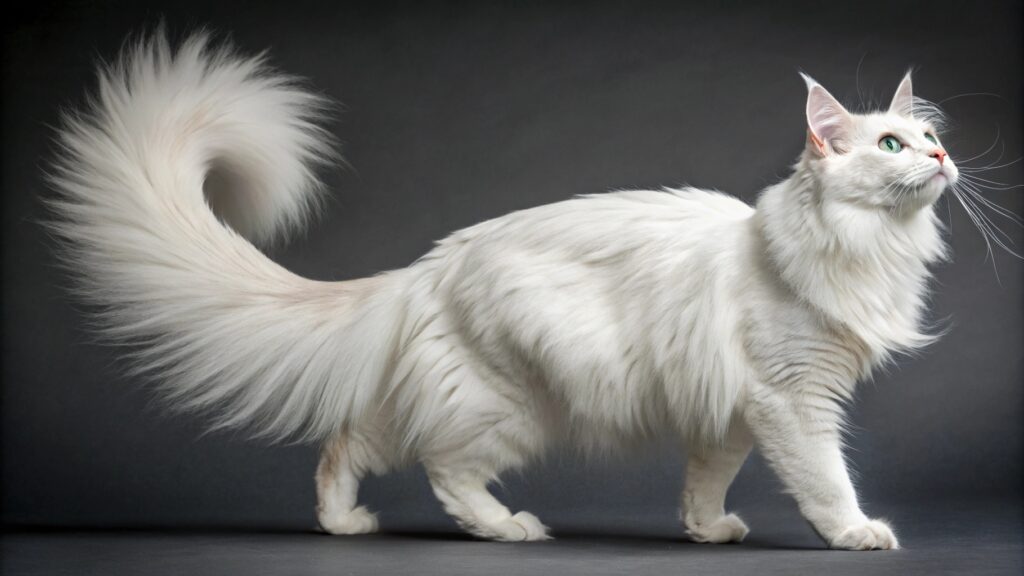
The hallmark of an Angora cat is its single-layer, silky coat. Unlike many long-haired breeds, their fur is fine, light, and free-flowing. It rarely mats and drapes elegantly, emphasizing the cat’s slender physique. Seasonal shedding is minimal compared to other long-haired breeds, making grooming easier while preserving visual splendor.
Coat Colors and Patterns
While white Angoras are the most iconic, the breed comes in numerous colors:
- White – classic and pure
- Black – sleek and dramatic
- Blue – soft and luminous
- Cream – warm and gentle
- Red – bold and vibrant
- Tortoiseshell – unique mix of colors
- Tabby patterns – intricate markings
Each variation highlights the Angora’s luxurious coat and enhances their natural grace.
Slender, Graceful Body
Angoras possess a medium-sized, athletic build with long legs and a tapering, plumed tail that balances their posture. Their movements are fluid and deliberate, almost like a ballet dancer, making even simple jumps or stretches appear elegant.
Expressive Almond-Shaped Eyes
Their almond-shaped eyes are captivating, ranging from blue, green, amber, or heterochromatic (one of each). These expressive eyes convey intelligence and curiosity, adding to the breed’s mesmerizing charm.
Personality Traits and Intelligence
Affectionate and Social Companions
Angoras are highly social, forming strong bonds with family members. They enjoy following their favorite humans around, observing daily routines, and participating in interactive play. Unlike aloof breeds, they actively seek engagement, displaying loyalty and affection without being demanding.
Highly Intelligent and Curious
These cats are quick learners and demonstrate remarkable problem-solving skills. They can open doors, figure out puzzle toys, and even respond to commands. Their inquisitive nature drives exploration and mental stimulation, making them excellent candidates for enrichment activities.
Playful Yet Balanced
While playful and energetic, Angoras can adapt to calmer moments. This balance allows them to be both entertaining companions and relaxed household members. Daily playtime strengthens their bond with humans and channels their energy positively.
Grooming and Care Essentials
Coat Maintenance
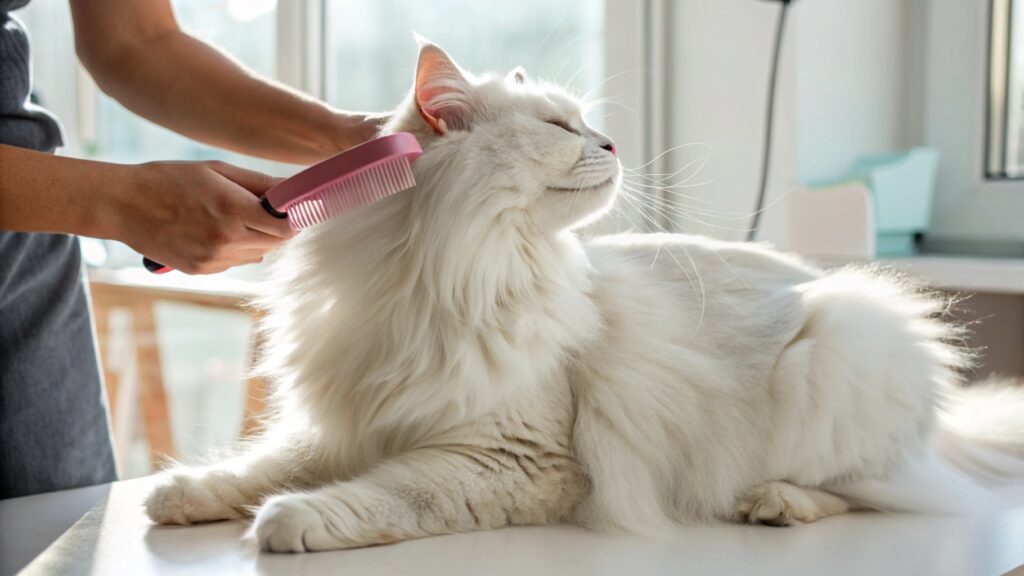
Despite their long fur, Angora cats require minimal grooming:
- Brush once or twice weekly to maintain shine
- Bathe occasionally to refresh the coat
- Trim nails and clean ears regularly
- Monitor skin health during grooming sessions
Regular brushing not only keeps the coat healthy but also strengthens the human-cat bond.
Nutrition and Diet
A proper diet preserves their beauty and health:
- High-protein, meat-based food
- Omega-3 and Omega-6 fatty acids for coat and skin
- Hydration via wet food or fresh water
- Balanced vitamins and minerals for energy and immunity
Quality nutrition enhances muscle tone, coat shine, and longevity.
Enrichment and Exercise
Angoras thrive in stimulating environments:
- Provide cat trees and climbing spaces
- Use interactive toys and puzzle feeders
- Rotate play activities to maintain interest
- Allow supervised exploration indoors or in secure outdoor spaces
These activities keep both their body and mind agile.
Health and Lifespan
Common Health Considerations
Angoras are generally robust but may experience breed-specific conditions:
- Congenital deafness (more common in white, blue-eyed cats)
- Rare hypertrophic cardiomyopathy
- Dental hygiene issues
- Sensitivity to certain medications or anesthesia
Regular veterinary visits and preventive care are crucial for long-term wellness.
Longevity and Senior Care
With responsible care, Angoras live 12–18 years, sometimes longer. Senior cats benefit from:
- Gentle exercise routines
- Soft bedding for joint support
- Diet adjustments for age-related changes
- Frequent health check-ups to maintain vitality
Their elegance and personality often remain strong even in later years.
Family Suitability and Home Environment
Ideal Household
Angoras thrive in homes with:
- Older children capable of gentle interaction
- Interactive playtime routines
- Calm but stimulating surroundings
- Social pets that respect boundaries
Interaction with Other Pets
Angoras often coexist well with other cats and respectful dogs. They enjoy social companionship but typically maintain gentle dominance, ensuring harmony in multi-pet households.
Daily Life with an Angora
- Morning stretches and playful exploration
- Observing household activity while interacting
- Afternoon naps in sunlit areas
- Evening play sessions to satisfy curiosity
These routines enrich their physical and emotional well-being.
Comparing Angoras to Similar Breeds
| Feature | Angora Cat | Persian Cat | Siberian Cat | Devon Rex |
| Coat | Silky, single-layer | Dense, thick | Medium, dense | Short, curly |
| Body | Slim, athletic | Stocky | Muscular | Small, lean |
| Personality | Active, playful | Calm, laid-back | Friendly, affectionate | Energetic, quirky |
| Grooming | Low to moderate | High | Moderate | Low |
These comparisons help potential owners select a breed that fits their lifestyle and preferences.
Adoption and Responsible Sourcing

Reputable Breeders
Choose breeders who:
- Provide health certificates
- Socialize kittens from early age
- Follow ethical breeding practices
- Offer guidance on care and temperament
Rescue Organizations
Turkish Angora rescues or shelters may have cats in need of adoption. Rescue adoption promotes ethical ownership and gives a loving home to a cat in need.
Preparing Your Home
- Provide vertical spaces and hiding spots
- Rotate toys for mental stimulation
- Establish feeding and playtime routines
- Introduce gradually to other pets and family members
Preparation ensures a smooth transition and long-term happiness.
Tips to Preserve Angora Cats Splendor
- Grooming: Regular brushing maintains coat shine
- Nutrition: Balanced diet rich in protein and fatty acids
- Exercise: Vertical spaces and interactive toys
- Mental Stimulation: Puzzle feeders, training, and play sessions
- Routine Health Checks: Preventive vet visits and dental care
- Social Interaction: Daily engagement strengthens bonds
Following these steps preserves elegance, health, and personality throughout their life.
FAQs
1. What makes Angora cats so elegant?
Their combination of flowing coat, graceful posture, almond-shaped eyes, and intelligence creates timeless splendor.
2. Are Angoras easy to groom?
Yes, brushing once or twice a week keeps their coat shiny and healthy. Occasional baths are sufficient.
3. How social are Angora cats?
They are affectionate, loyal, and enjoy interacting with humans and other pets.
4. What diet is best for Angoras?
High-protein, omega-rich food, combined with hydration, supports coat and overall health.
5. Are Angoras suitable for families?
Yes, particularly households with older children and interactive routines.
Conclusion
Angora cats exemplify elegance, intelligence, and affectionate companionship. Their flowing coats, expressive eyes, and playful personalities make them ideal for families and cat enthusiasts alike. With proper care, diet, and mental stimulation, their splendor endures for years, offering beauty, loyalty, and a lifelong bond. Choosing an Angora cat means embracing grace, charm, and an unforgettable connection with one of the world’s most remarkable feline breeds.