



Empathy is a core human skill, but some people experience it more intensely than others. Known as empaths, these individuals deeply sense the emotions, intentions, and even physical feelings of those around them.
- What is an Empath?
- History and Origins of the Term “Empath”
- Signs You Might Be an Empath
- Emotional Absorption
- Sensitivity to Environments
- Deep Intuition
- Overwhelm in Crowds and Relationships
- Physical Sensitivity
- Challenges Faced by Empaths
- How Empaths Can Thrive
- Empath Myths Debunked
- FAQs
- Can anyone become an empath?
- How do empaths manage emotional overload?
- Are empaths more sensitive to physical sensations?
- Can empaths thrive in leadership roles?
- How can I test if I am an empath?
- Conclusion
- Related posts:
While empathy is often misunderstood as mystical, it’s a natural, learnable ability. In this guide, we explore the traits, signs, challenges, and strategies for empaths to thrive in daily life, relationships, and work.
An empath is a highly sensitive person who deeply feels and understands the emotions of others, often absorbing emotional energy and responding with compassion.
What is an Empath?
Definition and Traits
An empath is someone who is highly attuned to the emotions and energy of others. They can sense moods, pain, and even physical sensations, often absorbing these feelings as their own. While everyone possesses empathy, empaths experience it more intensely. They tend to be deeply compassionate, highly intuitive, and often driven by a desire to help others. Empaths also notice subtle cues that most people miss, such as micro-expressions, body language, or even a change in tone of voice. This heightened awareness allows them to connect deeply, but it can also lead to emotional overload if not managed properly.
Empaths vs. Highly Sensitive People (HSPs)
The difference between empaths and highly sensitive people (HSPs) is subtle but important. While both are more responsive to stimuli, empaths are particularly focused on emotions. HSPs are sensitive to a wide range of sensory inputs, including sounds, lights, and social dynamics. Empaths, on the other hand, absorb emotions from the people around them and often feel them in their own body, which can be both a gift and a challenge. For example, an empath might feel a stranger’s sadness in a crowded room or become physically uncomfortable when someone nearby is in pain.
History and Origins of the Term “Empath”
Science Fiction Roots
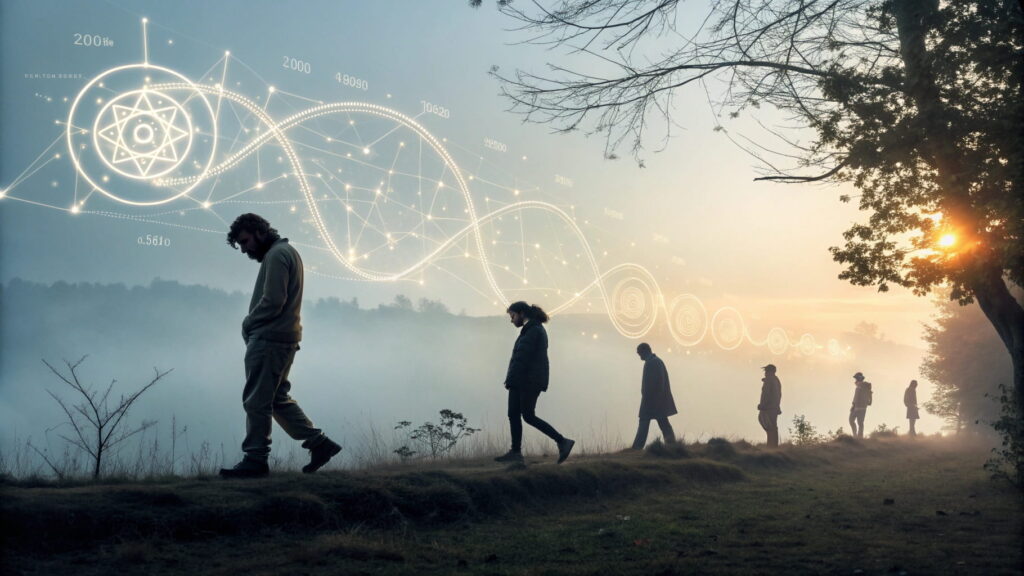
The term “empath” first appeared in 1956 in JT McIntosh’s science fiction novel The Empath. Inspired by telepathy, the concept described a person who could read emotions as others read thoughts. Later, Star Trek featured characters like Gem and Deanna Troi, who could sense and even absorb the feelings of those around them. X-Men also introduced an empathic character in the 1980s. While these portrayals added drama, they often misrepresented empathy as mystical or psychic.
Transition to Modern Understanding
In the 1970s, the New Age movement popularized the term, but empaths were initially considered inferior psychics. Today, modern research and practical guidance emphasize understanding empathy as a tool for deeper connection and personal growth.
Signs You Might Be an Empath
Emotional Absorption
Empaths often absorb the emotions of those around them. You may feel another person’s sadness, anger, or joy as if it were your own. This ability comes from highly active mirror neurons, which allow the brain to mirror the emotional states of others. While this creates a deep sense of connection, it can also be exhausting.
Sensitivity to Environments
The mood or energy of a room can influence an empath’s emotional state. Peaceful, calm, and beautiful surroundings nurture their well-being, while chaotic or negative environments can drain them quickly. Visiting a quiet park, spending time in nature, or enjoying art can be profoundly restorative.
Deep Intuition
Empaths intuitively understand what others are feeling, even when emotions are unspoken. This allows them to offer meaningful support and anticipate needs before they are expressed. Their intuitive understanding makes them excellent caregivers, counselors, and leaders in roles where interpersonal awareness is critical.
Overwhelm in Crowds and Relationships
Social settings and intimate relationships can be emotionally taxing. Positive emotions, such as joy or affection, can feel overwhelming if amplified by the empath’s sensitivity. In public spaces, empaths may experience sudden emotional shifts, sensing collective emotions from crowds or tension in seemingly neutral environments.
Physical Sensitivity
Some empaths even experience physical pain or discomfort when others are suffering. This heightened somatic awareness can make caregiving roles deeply fulfilling but also physically taxing. Empaths often gravitate toward professions like nursing, therapy, social work, or any role where their emotional attunement can help others.
Challenges Faced by Empaths

Emotional Overload
Constantly absorbing others’ feelings can lead to stress, anxiety, or even physical symptoms like headaches or fatigue. Learning to filter emotions and recognize which feelings belong to them versus those coming from others is crucial.
Difficulty Setting Boundaries
Many empaths struggle to say no, often overextending themselves in personal or professional relationships. Healthy boundaries protect emotional energy and prevent burnout.
Vulnerability to Emotional Contagion
Empaths can be deeply affected by negative energy in their environment, from personal conflicts to media exposure, making self-care and mindfulness essential.
How Empaths Can Thrive
Develop Emotional Boundaries
Learning to recognize which feelings belong to you and which come from others is essential. Techniques include mindfulness, journaling, and meditation.
Self-Care Practices
Regular rest, nature walks, creative outlets, and limiting exposure to negative media help recharge empathic energy.
Leverage Your Strengths
Empaths excel in caregiving, leadership, creative work, and counseling. Using empathy as a skill rather than a burden transforms it into a superpower.
Seek Supportive Communities
Connecting with like-minded individuals or mentors helps empaths share experiences, strategies, and validation. Community support sustains emotional health and confidence.
Empath Myths Debunked

Empathy is Not Magic
Despite popular culture, empathy is a human skill, not a psychic ability. Training and awareness can enhance it without supernatural elements.
Autistic People Can Be Hyper-Empathic
Many autistic people exhibit hyper-empathy. Misunderstandings arise from differences in expression rather than absence of feeling.
FAQs
Can anyone become an empath?
While some people are naturally more empathic, empathy is a skill that can be developed through mindfulness, emotional intelligence training, and self-reflection.
How do empaths manage emotional overload?
Setting boundaries, practicing self-care, meditation, and limiting exposure to negative stimuli help empaths maintain emotional balance.
Are empaths more sensitive to physical sensations?
Yes, some empaths feel physical symptoms mirroring others’ pain or discomfort. Awareness and grounding techniques help manage this heightened sensitivity.
Can empaths thrive in leadership roles?
Absolutely. Empaths excel in leadership by listening actively, understanding team dynamics, and fostering inclusive, supportive environments.
How can I test if I am an empath?
Self-assessment quizzes, journaling experiences, and reflecting on your reactions to others’ emotions are effective ways to identify empathic tendencies.
Conclusion
Empaths possess a remarkable ability to connect deeply with others, feel emotions intensely, and offer meaningful support. While heightened sensitivity can be overwhelming, understanding, managing, and harnessing empathy allows individuals to thrive personally and professionally. By developing boundaries, practicing self-care, and leveraging their unique strengths, empaths can transform sensitivity into a powerful gift, positively impacting their lives and the world around them.