
Nature vs Nurture: Understanding Human Development
The debate of nature versus nurture has fascinated psychologists, philosophers, and scientists for centuries. Are we born with certain traits, or do our experiences shape who we become? The answer is complex: both genetics and environment work together to influence personality, intelligence, behavior, and health.
Understanding this interaction helps us appreciate human development, mental health, and the ways in which we grow and adapt throughout life.
Nature vs nurture explores how genetics and environment shape human behavior, personality, and intelligence, highlighting the balance of both influences..
What Is the Nature vs Nurture Debate?
The nature versus nurture debate explores whether genetic inheritance (nature) or environmental experiences (nurture) are more influential in shaping human traits. Nature refers to the biological and genetic factors that we inherit from our parents, such as eye color, physical abilities, and even predispositions toward certain behaviors or mental health conditions. Nurture, on the other hand, includes all external influences, such as upbringing, culture, education, social interactions, and life experiences. Historically, some theorists emphasized one over the other, but modern research shows that the interaction of both is critical.
Understanding Nature: The Role of Genetics
Heredity and Physical Traits
Genes determine many of our physical characteristics, including height, skin color, hair type, and susceptibility to certain diseases. These hereditary traits are passed down through generations and form the foundation of our biology. For instance, a child born to tall parents is likely to be taller than average, while genetic conditions like cystic fibrosis are inherited through specific gene mutations. Nature sets limits and potentials that the environment can later influence.
Genetic Influence on Personality
While physical traits are easily observable, genetic influence on personality is more subtle. Research shows that temperament, intelligence, and even tendencies toward behaviors like aggression or empathy have hereditary components. Twin and adoption studies highlight that identical twins often exhibit strikingly similar personality traits even when raised apart, indicating a strong genetic contribution. However, these traits are not fixed and can be modified by life experiences and socialization.
Nativist Theories and Innate Abilities
Nativists argue that certain abilities or knowledge are innate. For example, Noam Chomsky proposed the idea of a language acquisition device, suggesting humans are born with a natural ability to learn language. Similarly, biological drives like hunger, fear, and social attachment are seen as hardwired behaviors that emerge naturally regardless of environment. Such innate abilities provide a framework upon which nurture builds further skills and understanding.
Understanding Nurture: Environmental Influences
Family and Upbringing

Our family environment plays a pivotal role in shaping who we become. Parenting styles, caregiver attention, and early childhood experiences influence our emotional regulation, social skills, and problem-solving abilities. For example, children raised in supportive and stimulating households often display higher academic achievement and confidence compared to children raised in neglectful or stressful environments.
Cultural and Social Factors
Culture, traditions, and social norms also shape behavior and personality. Exposure to different values, beliefs, and practices helps individuals develop perspectives, coping strategies, and behavioral patterns. Social interactions, including peer influence and community engagement, guide the development of morality, communication skills, and social intelligence.
Education and Peer Influence
Education is a key aspect of nurture, impacting cognitive development and intellectual growth. Children provided with stimulating educational environments often demonstrate higher cognitive abilities and creativity. Similarly, peer groups influence behaviors, habits, and social skills, highlighting how external experiences shape personality traits alongside genetic predispositions.
Historical Perspectives on Nature vs Nurture
Philosophical Roots: Plato, Descartes, Locke
Philosophers like Plato and Descartes believed in innate knowledge, supporting the nature argument. John Locke, in contrast, proposed the “tabula rasa” concept, suggesting the mind is a blank slate shaped entirely by experiences. These early debates laid the foundation for modern psychological exploration of genetic and environmental influences.
19th Century: Francis Galton and Heredity
Francis Galton, a cousin of Charles Darwin, was among the first to quantify heredity’s influence on traits such as intelligence. Galton’s work emphasized genetic contribution but overlooked environmental interaction. While historically influential, some of his ideas, like eugenics, were ethically controversial and misused.
20th Century: Behaviorism and Environmental Focus
Behaviorists like John B. Watson and B.F. Skinner emphasized environmental influence, arguing that behavior is learned through conditioning and reinforcement. This nurturist perspective highlighted the role of upbringing, education, and social experience in shaping human behavior.
Modern Views: Interaction Between Genes and Environment
Reciprocal Influences
Today, experts recognize that genes and the environment interact in dynamic ways. Genetic predispositions may be expressed differently depending on environmental conditions. For instance, a child with high genetic potential in music may never develop this skill without exposure to instruments or encouragement.
Genetic Potential vs Environmental Support
Many traits emerge from the combination of innate potential and nurturing experiences. Height, for example, is influenced by genetics but can be limited by nutrition. Similarly, mental health disorders may develop only when genetic vulnerabilities coincide with environmental stressors, highlighting the importance of this interaction.
Nature and Nurture in Personality Development
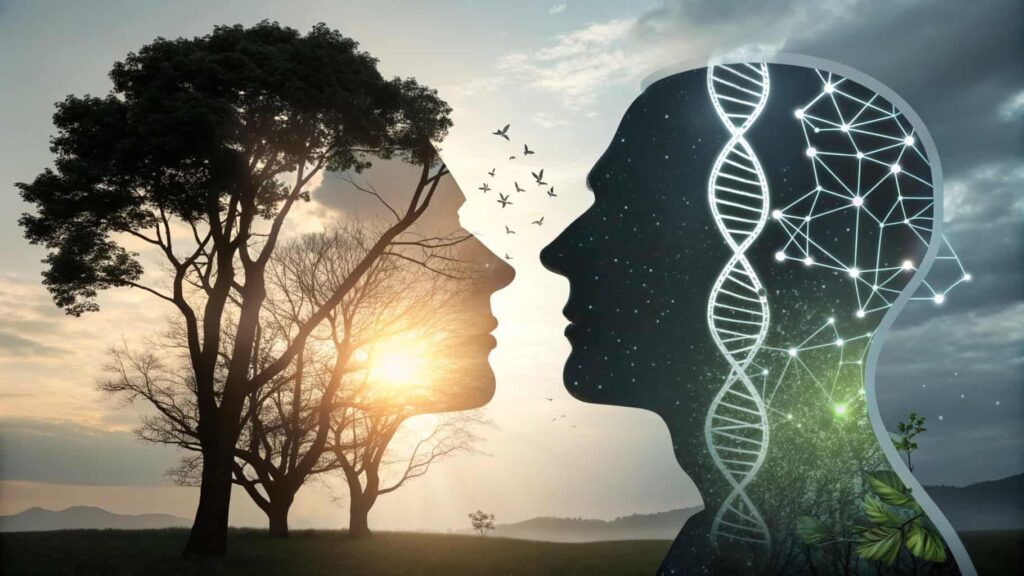
Twin Studies on Personality
Twin studies reveal that identical twins often have similar personality traits even when raised apart. These studies suggest a strong genetic component to traits such as sociability, emotional reactivity, and risk-taking behavior. However, environmental factors also introduce differences, making personality development a result of both heredity and experience.
Environmental Modifications
While genetics provide a baseline, life experiences, culture, and education can modify personality traits. Positive reinforcement, mentorship, and supportive social environments can enhance desirable behaviors and mitigate less adaptive tendencies.
Case Examples
Case studies of children raised in different conditions illustrate the influence of nurture. For example, siblings with similar genetic backgrounds may display divergent abilities or behaviors based on educational opportunities, parental support, and social interactions.
Nature and Nurture in Mental Health
Diathesis-Stress Model
The diathesis-stress model explains how genetic vulnerability interacts with environmental stressors to trigger mental health conditions. A person may inherit a predisposition for depression, but the disorder manifests only when exposed to trauma, chronic stress, or other adverse experiences.
Genetic Vulnerability and Environmental Triggers
Genetic research identifies specific alleles that increase risk for conditions like schizophrenia, bipolar disorder, and ADHD. However, nurturing environments, therapy, and early interventions can reduce the likelihood of disorder expression.
Mental Health Disorders
Conditions like autism, ADHD, and depression illustrate the intertwined roles of nature and nurture. Environmental support, education, and treatment strategies often determine functional outcomes, even in individuals with strong genetic predispositions.
Intelligence and the Interplay of Genes and Environment
Heritability of IQ
Intelligence has a heritable component, with studies suggesting that about 50% of IQ variance can be attributed to genetics. Twin studies demonstrate that identical twins often have similar cognitive abilities, even when raised in separate environments.
Environmental Influences on Intelligence
Access to quality education, stimulating environments, and social support significantly influence cognitive development. Children from enriched environments often outperform peers with similar genetic potential but fewer opportunities.
Polygenic Inheritance
Intelligence, like many complex traits, is influenced by multiple genes rather than a single gene. Polygenic inheritance interacts with environmental factors, demonstrating that both nature and nurture are essential in shaping cognitive abilities.
Epigenetics: How Environment Influences Gene Expression
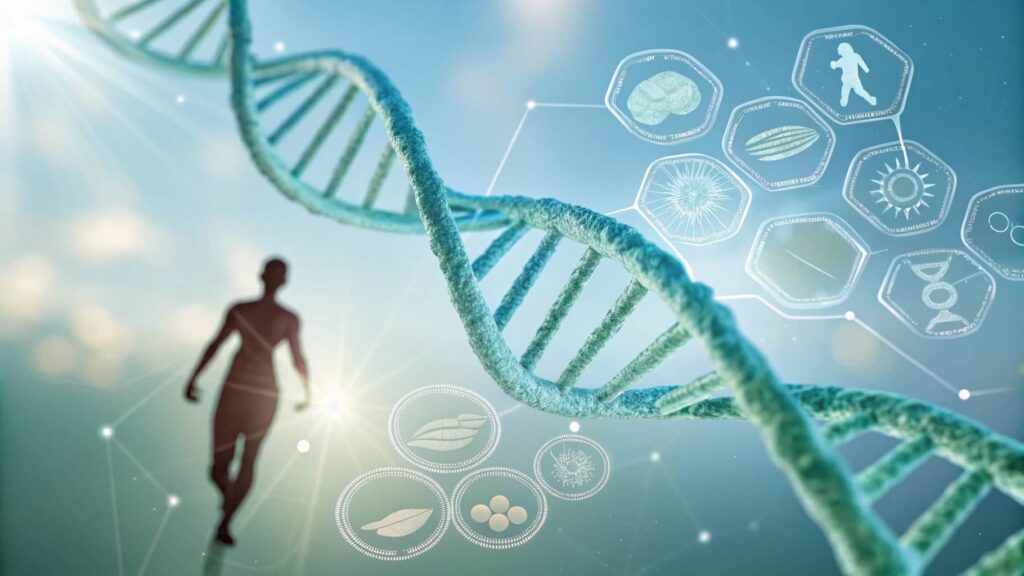
Epigenetics shows how environmental factors can switch genes “on” or “off” without changing the DNA sequence. Experiences like stress, diet, and maternal care can alter gene expression, affecting behavior and health. For example, studies on maternal care in rats reveal that nurturing behavior impacts offspring stress response through epigenetic changes, demonstrating the lasting effect of the environment on biology.
Child Development and the Combined Influence of Nature and Nurture
Language acquisition, cognitive skills, and emotional growth are shaped by both genetic predispositions and environmental exposure. While children may have innate abilities, their development is heavily influenced by parenting, education, and social interactions. Supportive and enriching environments maximize potential, illustrating that nature sets the stage while nurture directs the performance.
Health Outcomes Shaped by Genetics and Environment
Genetic disorders like PKU can be mitigated through environmental interventions such as dietary restrictions. Similarly, lifestyle factors—nutrition, exercise, stress management—interact with genetic vulnerabilities to influence long-term health. Understanding this interplay allows for preventive measures and personalized health strategies.
Practical Applications: Education, Parenting, and Therapy
Recognizing the interaction between nature and nurture helps educators design curricula that address different learning potentials. Parents can foster innate abilities while providing supportive environments. Therapists use knowledge of genetic and environmental influences to develop tailored interventions for mental health conditions, maximizing outcomes through a balanced approach.
Real-World Research Supporting Interaction
Behavioral genetics, adoption, and twin studies provide strong evidence for the combined effect of genes and environment. Research shows that even highly heritable traits can be modified by experience. Epigenetic studies, like the Agouti mouse and rat maternal care experiments, highlight how environmental conditions can leave lasting biological marks.
Moving Beyond the Question of Which Is More Important
The question of whether nature or nurture is “more important” is outdated. Modern science shows that almost all human traits result from a dynamic interaction between genes and environment. Focusing on this integration allows for better interventions, educational strategies, and understanding of human behavior.
FAQs
1. What is the difference between nature and nurture?
Nature refers to genetic and hereditary influences, while nurture encompasses environmental factors such as upbringing, culture, and life experiences.
2. Can genes determine behavior entirely?
No. Genes provide predispositions, but environmental factors significantly shape the expression of behaviors and traits.
3. How does the environment influence genetic expression?
Through epigenetic mechanisms, environmental factors like stress, diet, and parenting can activate or silence genes, impacting traits and health outcomes.
4. What role do twin studies play in this debate?
Twin studies help researchers estimate the relative contributions of genetics and environment by comparing identical and fraternal twins raised together or apart.
5. Is nature or nurture more important in child development?
Both are essential. Genetics set potential, while environmental experiences shape, enhance, or limit development.
Conclusion
Nature and nurture are not opposing forces but complementary influences that work together to shape human behavior, personality, intelligence, and health. Understanding this dynamic interaction provides insights into child development, mental health, education, and lifelong learning. By embracing the complexity of genetics and environment, we can foster growth, resilience, and potential in ourselves and others.