

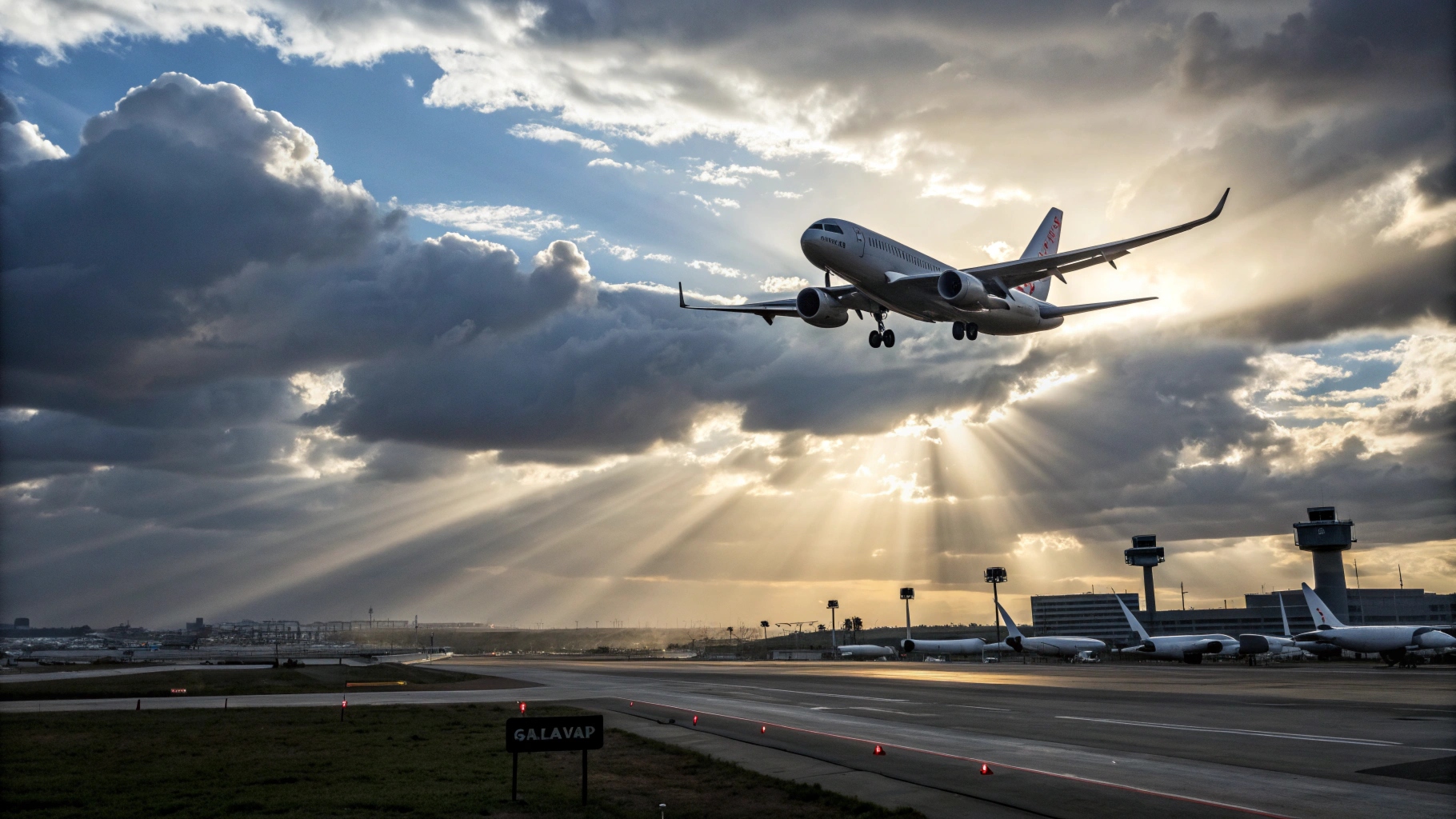

Delta Flight DL275 Diverted to LAX Imagine being on a long-haul flight from Detroit to Tokyo when the plane suddenly makes an unexpected turn toward Los Angeles. On May 27, 2025, Delta Flight DL275 experienced exactly this due to an engine anti-ice system failure. Passengers were faced with a long detour over the Pacific, while the flight crew made critical safety decisions.
- What Happened on Delta Flight DL275?
- Engine Anti-Ice System Failure Explained
- Why LAX Was Chosen as the Diversion Airport
- Runway and Infrastructure Considerations
- Maintenance and Technical Support
- Passenger & Crew Logistics
- Customs and Immigration
- Passenger Experience During the Diversion
- Delta’s Response on the Ground
- Aviation Safety Protocols in Action
- Predictive Maintenance and Technology
- Financial Implications of the Diversion
- FAQs
- Conclusion
- Related posts:
This article explores the incident in detail, from the technical fault to passenger experience, Delta’s response, aviation safety protocols, and the financial and operational impact of a long-haul diversion.
Delta Flight DL275 Diverted to LAX: Get complete updates, reasons for diversion, and important information for passengers and travelers..
What Happened on Delta Flight DL275?
Delta Flight DL275 departed Detroit (DTW) on time, using a modern Airbus A350-900, registration N508DN, bound for Tokyo Haneda (HND). The initial flight hours were routine, with the aircraft climbing to its cruising altitude and heading northwest over Canada and Alaska. Passengers settled in for the 13-hour journey, unaware of the event about to unfold over the icy Bering Sea.
Early Flight Hours
The Airbus A350 is equipped with advanced monitoring systems that track every critical component in real time. During the early flight hours, the plane maintained a steady altitude and speed, and all systems were reported as normal. The cabin atmosphere was calm, with passengers enjoying entertainment or resting.
The Alert and Immediate Response
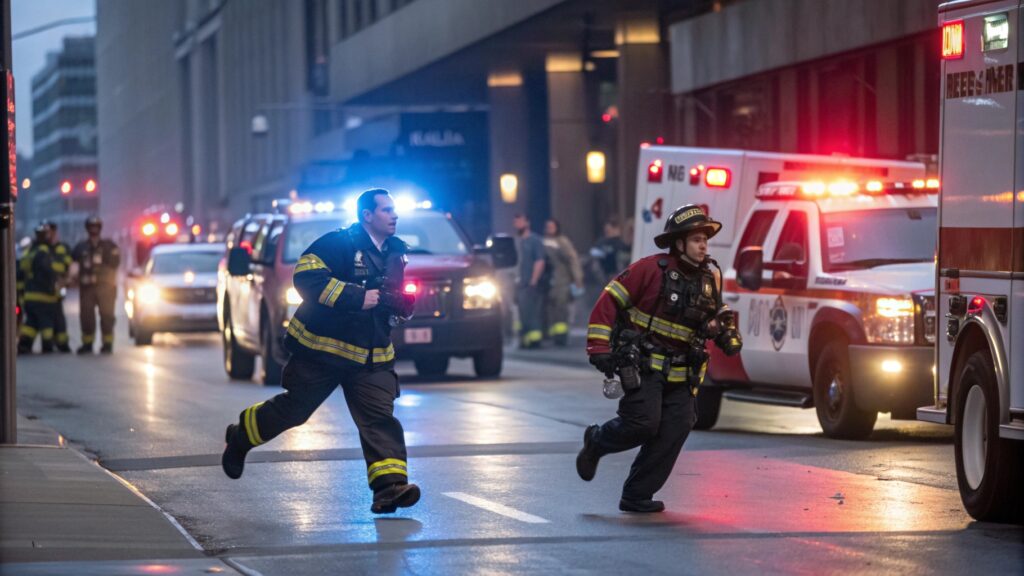
Several hours into the flight, the cockpit crew received an alert from the aircraft’s monitoring systems. The message indicated a malfunction in the engine anti-ice system on one of the Rolls-Royce Trent XWB engines. This system is critical for preventing ice accumulation on engine components at high altitudes.
Recognizing the severity, the pilots contacted Delta’s operations center. Together, they evaluated the options and decided to divert the aircraft to Los Angeles International Airport (LAX). Although this added five hours of flight time, it ensured the aircraft could land safely and receive immediate technical support.
Engine Anti-Ice System Failure Explained
Importance of the Anti-Ice System
At high altitudes, aircraft fly through extremely cold air that often contains supercooled water droplets. These droplets can freeze instantly upon contact with engine surfaces, forming ice. Ice buildup can disrupt airflow into the engine, cause loss of power, and in extreme cases, lead to engine failure. Chunks of ice may also break off, potentially damaging the engine or fan blades.
How the System Works
The engine anti-ice system uses hot air, bled from the engine’s compressor, to warm critical surfaces such as fan blades and nacelle inlets. This prevents ice formation and ensures smooth, safe engine operation. Modern aircraft like the A350 have multiple redundant systems, but a failure in any anti-ice component is considered critical.
Why Diversion Was Mandatory
With a compromised anti-ice system over the Pacific Ocean, continuing to Tokyo was unsafe. Aviation regulations worldwide mandate immediate diversion to the nearest suitable airport in such cases. The pilots of DL275 followed protocol, prioritizing passenger safety above all else.
Why LAX Was Chosen as the Diversion Airport
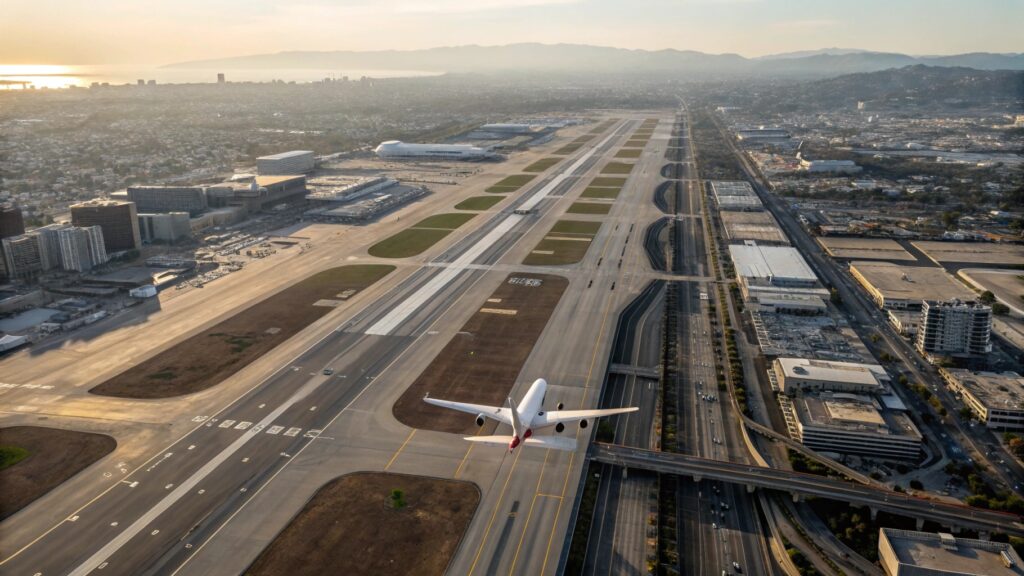
Although smaller airports were geographically closer, selecting a diversion airport involves multiple operational and safety factors.
Runway and Infrastructure Considerations
The airport must have runways capable of handling a large Airbus A350. LAX provides long, reinforced runways, ample gates, and the necessary ground equipment to accommodate widebody aircraft. This ensured the plane could land safely and be serviced efficiently.
Maintenance and Technical Support
A diversion due to a technical fault requires certified technicians and spare parts. LAX, being a major Delta hub with an established TechOps base, had trained A350 mechanics and access to Rolls-Royce engine components. Smaller airports would have necessitated flying in specialized staff and parts, delaying repair and further inconveniencing passengers.
Passenger & Crew Logistics
A long-haul diversion involves hundreds of passengers and the flight crew. LAX offers thousands of hotel rooms, reliable ground transport, and an extensive customer service team to rebook flights, provide meals, and manage accommodations. This logistical capacity was essential for minimizing disruption.
Customs and Immigration
Since DL275 was an international flight, it required customs and border protection facilities to process passengers. LAX, a primary international gateway, has the infrastructure to handle such scenarios efficiently.
In summary, LAX was the most suitable airport, balancing safety, repair capability, and passenger care.
Passenger Experience During the Diversion
Cabin Atmosphere and Crew Management
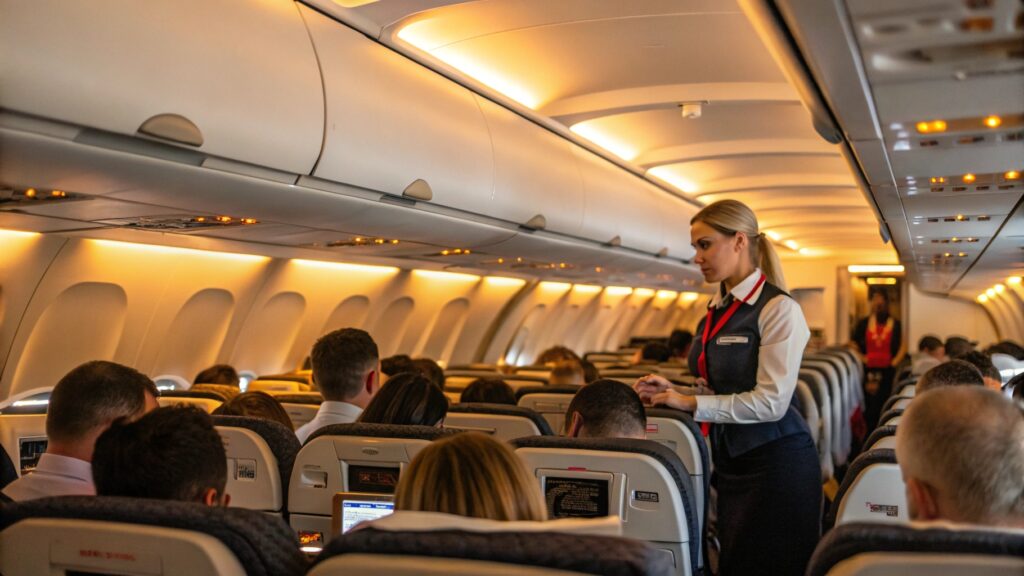
For passengers, the first sign of trouble was likely the sudden change on the in-flight entertainment map. Anxiety is natural in these moments, but the cabin crew’s professionalism plays a vital role. Reports indicate Delta flight attendants managed the situation calmly, reassuring passengers, providing information, and maintaining order throughout the five-hour diversion.
Communication from the Flight Deck
The cockpit crew kept passengers informed with periodic updates. They explained the technical issue, outlined the plan to divert to LAX, and shared expected landing times. Clear communication helped reduce panic and maintained a controlled environment onboard.
Delta’s Response on the Ground
Immediate Passenger Care
Upon landing at LAX, Delta’s ground teams acted swiftly. Passengers were deplaned, processed through customs, and provided with meals, hotel accommodations, and transport. The airline leveraged its infrastructure at LAX to ensure passengers’ basic needs were met promptly.
Rebooking and Compensation
Delta coordinated rebooking for all passengers on the next available flights to Tokyo or final destinations. Compensation, including frequent flyer miles, travel vouchers, or other forms of apology, was offered to mitigate the inconvenience. This transparent and proactive response highlights Delta’s commitment to customer care during disruptions.
Aviation Safety Protocols in Action
Safety Culture in Commercial Aviation
The diversion demonstrates the aviation industry’s conservative, safety-first philosophy. Pilots are trained to prioritize safety over schedule or cost. Even if the aircraft could technically continue flying, a compromised anti-ice system is treated with zero tolerance.
Aircraft Reliability and Design
The Airbus A350 is designed with multiple redundancies and can safely operate with one engine if necessary. Diversions due to minor system faults are not unusual and are part of preventive safety procedures. This incident illustrates how robust aircraft systems and crew training work together to protect passengers.
Predictive Maintenance and Technology
Engine Health Monitoring (EHM)
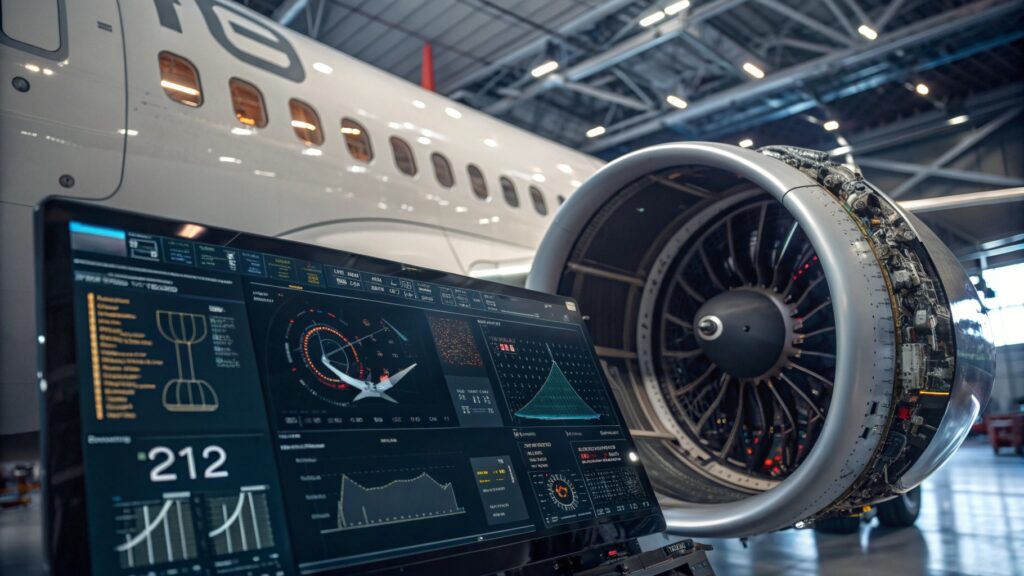
Modern aircraft are equipped with thousands of sensors monitoring engine health in real time. Rolls-Royce Trent XWB engines transmit performance data to ground stations during every flight, allowing anomalies to be detected early.
Predicting and Preventing In-Flight Issues
Delta’s predictive maintenance programs, including Skywise, analyze this data to anticipate faults and schedule repairs during planned stops. While no system is foolproof, predictive maintenance reduces the frequency of in-flight technical issues and enhances overall safety. Lessons from the DL275 incident will further refine these systems.
Financial Implications of the Diversion
Operational Costs
Extended flight time, fuel consumption, and crew salaries for the five-hour detour added significant operational costs. Additional landing and handling fees at LAX further increased expenses.
Passenger Care Costs
Providing hotel rooms, meals, transportation, and compensation for 300+ passengers can easily run into tens of thousands of dollars. Rebooking tickets and coordinating new flights adds to the financial impact.
Network Impact
The diverted aircraft and crew being out of position affects other flights, potentially causing delays or cancellations. Total financial implications of such a long-haul diversion often range from $100,000 to $500,000 or more, depending on circumstances. Nevertheless, these costs are negligible compared to the priority of passenger safety.
FAQs
1. What caused Delta Flight DL275 to divert to LAX?
A malfunction in one of the Rolls-Royce Trent XWB engine’s anti-ice systems triggered the diversion to ensure passenger safety.
2. Why did the flight not continue to Tokyo?
Flying over the North Pacific with a compromised anti-ice system posed severe risks, so diversion to a well-equipped airport was mandatory.
3. Why was Los Angeles chosen instead of a closer airport?
LAX offered the necessary runway, maintenance, passenger logistics, and customs facilities to handle the situation efficiently.
4. Were passengers safe during the diversion?
Yes. The crew maintained calm, provided regular updates, and the Airbus A350’s redundant systems ensured safe flight.
5. How do airlines prevent in-flight technical issues?
Through predictive maintenance and Engine Health Monitoring, airlines can detect and fix potential issues before they become dangerous.
Conclusion
Delta Flight DL275’s diversion illustrates the perfect coordination between technology, procedures, and human expertise in modern aviation. Every stage, from detecting the anti-ice fault to landing safely at LAX and caring for passengers, highlights aviation’s commitment to safety. Passengers faced delays, but their security was never compromised. This event reinforces that air travel remains the safest mode of transport, with every diversion a testament to the system’s reliability.